


Guide to Residential Lighting Code Requirements and Energy Codes
Whether you're building a new home or upgrading an existing one, it’s important to understand residential lighting building code requirements, including both interior and exterior lighting code requirements. These codes were designed to ensure homes are safe, energy efficient, and better equipped for the future.
In this guide, we’ll walk through the key residential lighting and energy code requirements that every builder, electrician, and informed homeowner should know. Here’s what you need to know to stay compliant, energy efficient, and future-ready in 2025.
Residential lighting codes are regulations that govern how lighting is installed and used in homes and are typically enforced at the national, state, and/or local level. They are meant to improve energy efficiency, uphold occupant safety, and reduce the home’s impact on the environment.
National Electrical Code (NEC)
Published by the National Fire Protection Association (NFPA), the NEC sets electrical safety standards for residential wiring, including lighting. For example, part of the NEC states that certain fixtures must be installed at a safe distance from insulation or water sources and bathrooms and outdoor lighting require GFCI (Ground-Fault Circuit Interrupter) protection. They are typically quite explicit stating, for example, that light fixtures located within three feet horizontally and eight feet vertically from the top of a bathtub or shower must be rated for damp locations.
It’s important to understand which version of the NEC your area follows, as newer versions may include more recent safety standards.
International Energy Conservation Code (IECC)
The IECC sets energy efficiency standards for lighting systems. Many states adopt the IECC in whole or with modifications. Some typical requirements include the use of high-efficiency lighting (typically LED), manual-on / automatic-off lighting controls for specific areas of the house as well as the ability to dim lights in living areas.
State-Specific Energy Codes
Several states have legislated their own energy codes. For example, California Title 24 requires nearly all installed lighting to be high efficiency and includes strict rules about where and when homeowners must use dimmers, vacancy sensors, and daylight controls. Washington State Energy Code also mandates efficiency and smart controls.
Common Residential Lighting Code Requirements
While details may vary by region, here are some of the most common lighting requirements found in today's codes:
- Most permanently installed lights must use high-efficiency sources, like LEDs or Energy Star-rated fixtures.
- Dimming or multi-level controls are often required in living rooms, dining rooms, and bedrooms.
- Dimmers are not required for lighting fixtures with a power consumption of less than 20 watts, or for specific applications like night lights, step lights, and path lights where the power consumption is less than 5 watts.
- Manual-on / auto-off controls are typically required in laundry rooms, garages, utility rooms, and bathrooms.
- Some codes require lights to turn off automatically after a certain amount of time or when a room becomes unoccupied — especially in closets, bathrooms, and garages.
- Exterior lights usually need automatic shut-off features such as motion sensors, timers or daylight sensors.
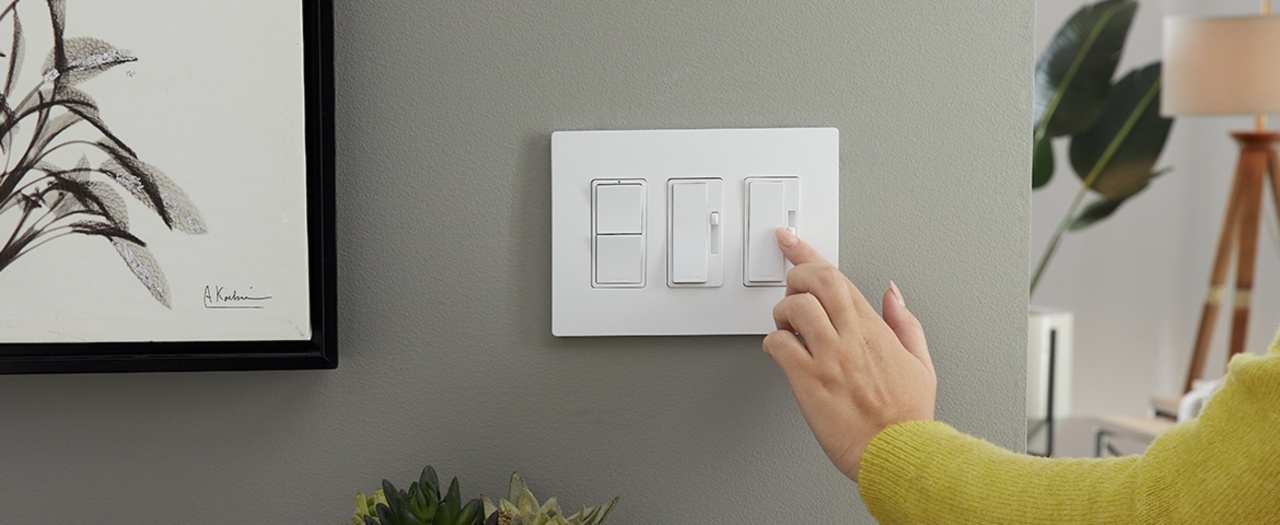
Tips for Builders and Contractors
Staying code-compliant doesn’t have to be complicated. Here are a few simple strategies:
- Use Energy Star fixtures as they meet efficiency and performance standards.
- Incorporate smart lighting controls to simplify compliance with occupancy and dimming requirements.
- Plan your lighting layout early as adjusting layouts after drywall or rough-in can be costly.
- Partner with experienced electricians who are familiar with the latest code requirements.
Common Questions About Lighting Code Compliance
Do all my lights have to be LED?
If you’re building or doing a major remodel, your permanent light fixtures will likely need to be LED-compatible or include integrated LEDs. LEDs typically deliver 70–100+ lumens per watt, far surpassing older technologies.
Can I use plug-in lamps instead of hardwired fixtures?
Yes, but plug-in lamps are not regulated by code — so they won’t help with compliance in spaces where hardwired lighting is required.
How can I meet dimmer or occupancy sensor rules easily?
Dimming lights and using occupancy sensors can reduce electricity bills. LED-compatible dimmers are a must as some older dimmers don’t work well with LEDs and may cause flickering.
Choose wall switches with built-in dimming or motion-sensing capabilities. Many manufacturers now offer wireless, app-based lighting control for added convenience.
Why Lighting Codes Matter
Residential lighting codes do more than check a legal box. They help homeowners lower energy bills, improve comfort and usability, future-proof their homes and, in some cases, even boost resale value. As energy codes continue to evolve, the line between efficiency and smart home convenience is blurring. With thoughtful planning and the right lighting solutions, staying compliant can actually help elevate your home design.