


5
Browse 22 results for
"blogsandarticles"
How AI and NVIDIA MGX Are Changing Rack Design for Hyperscale and Neocloud Environments
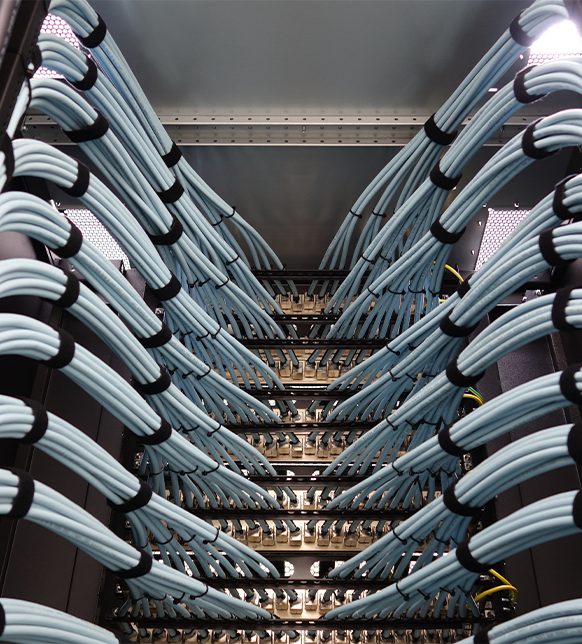
In the fast-paced world of data center management, you might deprioritize cable management. As technology evolves and new equipment is deployed in the cabinet, the importance of cable management cannot be overstated. If cables become untidy and cluttered, they can cause many problems, including poor airflow, underperforming equipment, and higher energy costs.
To meet this challenge, data center operators are upgrading to intelligent cabinet access systems. The days of nearly universal keys are being replaced by advanced locking technologies that offer granular control, monitoring, and auditing—delivering a crucial extra layer of protection for the most valuable assets in the data center.
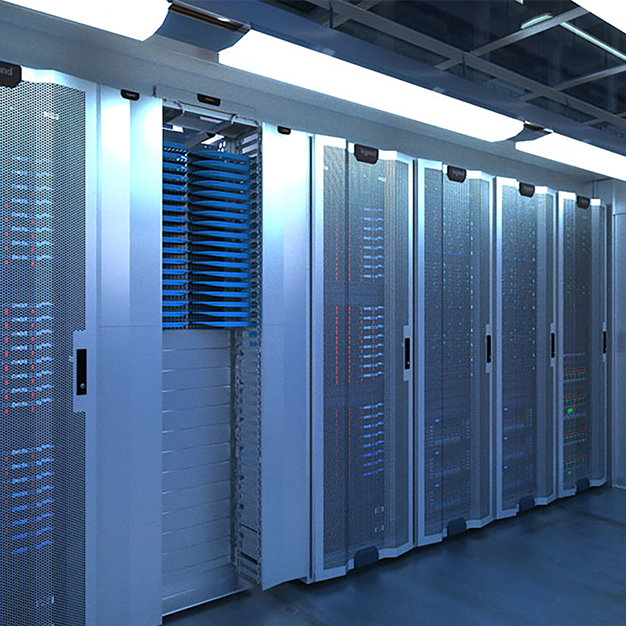
As data centers and their clients adopt AI and high-performance computing, they have triggered a seismic shift in the data center landscape, impacting the design and operations of enterprises, colocation providers, and hyperscale giants, bringing profound changes to power requirements and infrastructure planning. Consequently, data center operators must rethink things like rack densities, cooling, airflow, and cabinet sizes.

The rush to implement AI workloads is causing a profound transformation in data center operations. Enterprises, colocation providers, and hyperscalers must substantially expand capacity while driving operational and energy efficiencies to meet sustainability objectives.

Data center equipment density is higher than ever, a trend sure to continue as demand for artificial intelligence (AI) and high-performance computing (HPC) soars. This trend is forcing data center operators to rethink their infrastructure and cooling systems at a time when energy optimization and meeting sustainability goals are top priorities.

The speedy adoption of generative AI and other data-intensive technologies has prompted a rush to build and expand data centers, creating tight timelines for deploying equipment. To ensure safe operations and avoid compromising expensive IT equipment or delaying project completion, data center operators should deploy equipment that has been thoroughly tested and certified.

High-performance computing (HPC) and artificial intelligence (AI) are spurring major changes in data centers. These data-intensive technologies consume far more power and generate substantial heat that legacy infrastructure isn’t set up to handle, requiring new approaches to cabinet design, containment, cooling solutions, and infrastructure monitoring.
Explore how Legrand’s approach to data center sustainability moves beyond power consumption and PUE towards a holistic way to address Scope 1, 2 and 3 emissions.
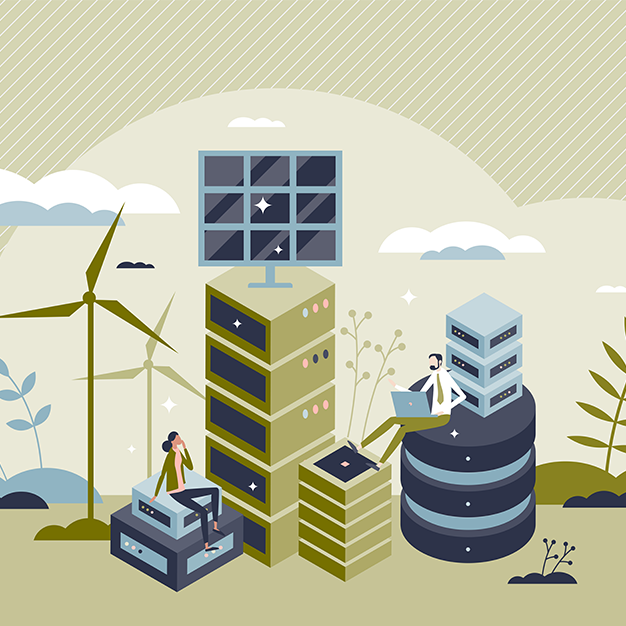
The developments in generative AI are exciting, but the increased use has unexpected environmental consequences that need to be addressed. Learn more about the environmental impacts of generative AI developments.
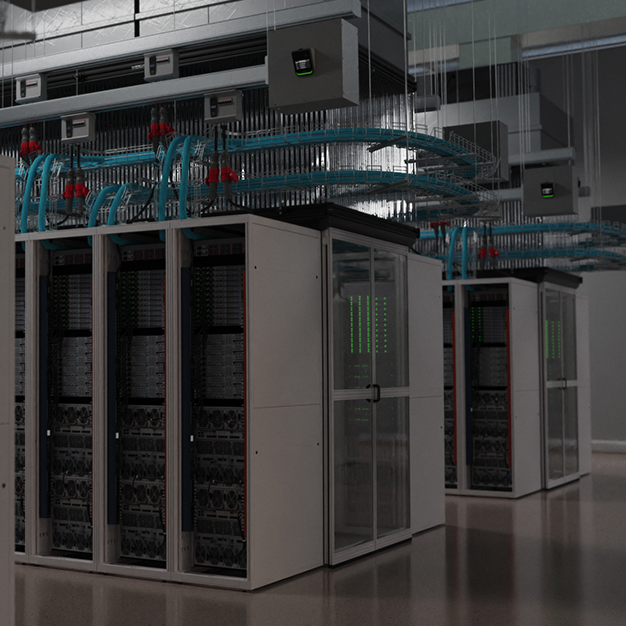
The global economy is rapidly adopting AI, and data center infrastructure deployments are growing at an unprecedented rate to keep up with demand.
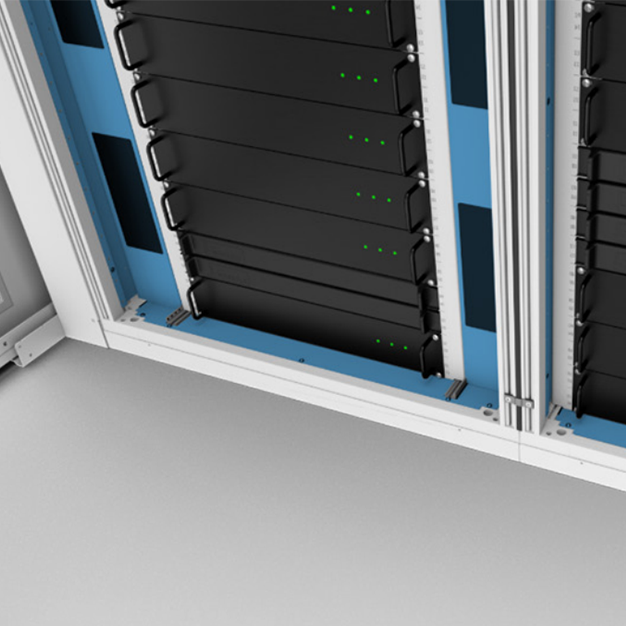
As Internet traffic and demand for data center services continue to soar, data center operators face the delicate balancing act of building more data center capacity to meet the explosive demand, while simultaneously working to reach net zero targets and adhering to new and emerging government sustainability standards and regulations.
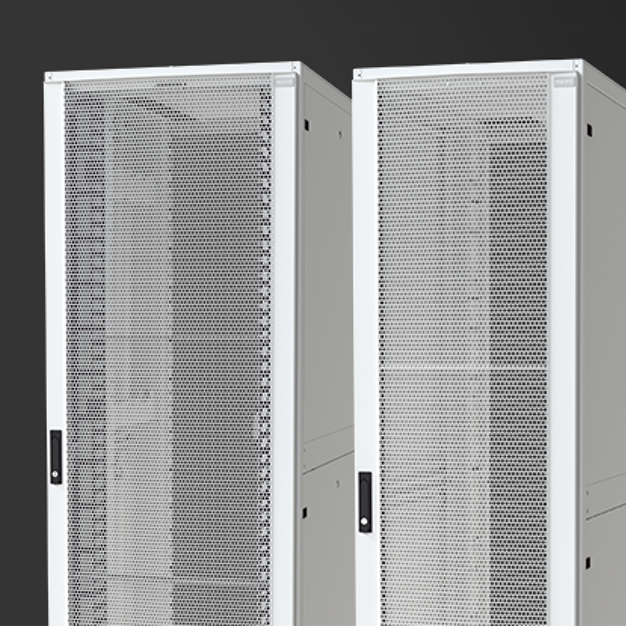
Server and network cabinets may appear identical and indistinguishable, but don’t let looks fool you. They are designed with different dimensions because servers and networking equipment have different sizes and requirements.
Data center operators say the number and severity of outages have decreased in the past few years. However, when significant outages do occur, the costs remain significant.

Data center operators use racks and cabinets to house and organize their servers, networking and telecommunications gear and other IT equipment, but while “racks” and “cabinets” are sometimes used interchangeably, there are differences between the two.

T and T6 cabinets are durable and robust UL 2416 listed cabinets, ensuring that our cabinet solutions meet the quality, sustainability, and safety standards of Underwriter Laboratories (UL)

Today's most significant trends in the data center industry have enormous implications for cabinet and containment procurement teams. Find out these trends today.
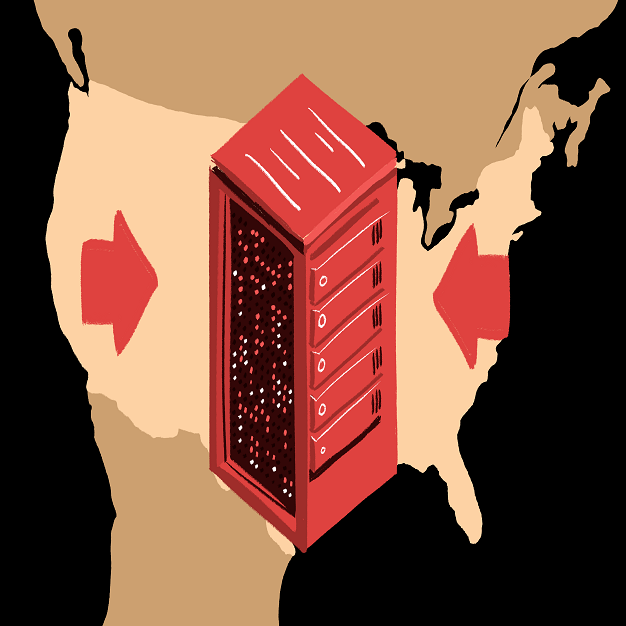
Legrand is the only data center supplier with in-house manufacturing capabilities on both the east and west coast, ensuring shorter lead times and lower costs.
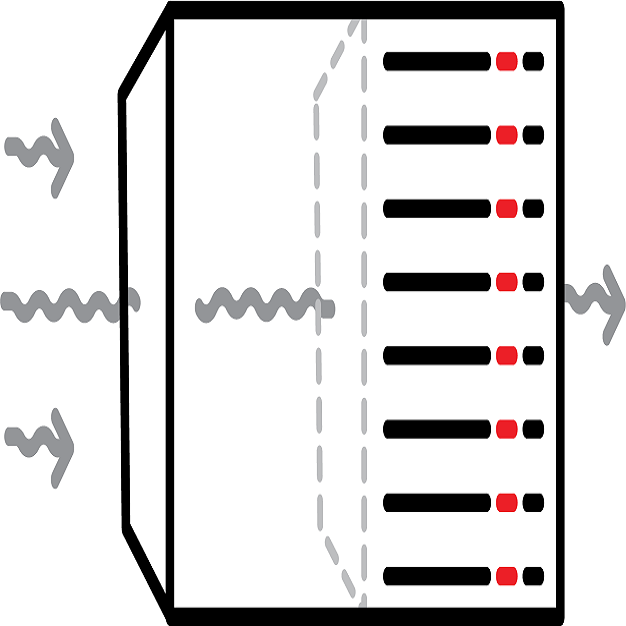
To function properly, network cabinets must be built to optimize airflow. Legrand offers a variety of airflow management accessories to help optimize our cabinets.
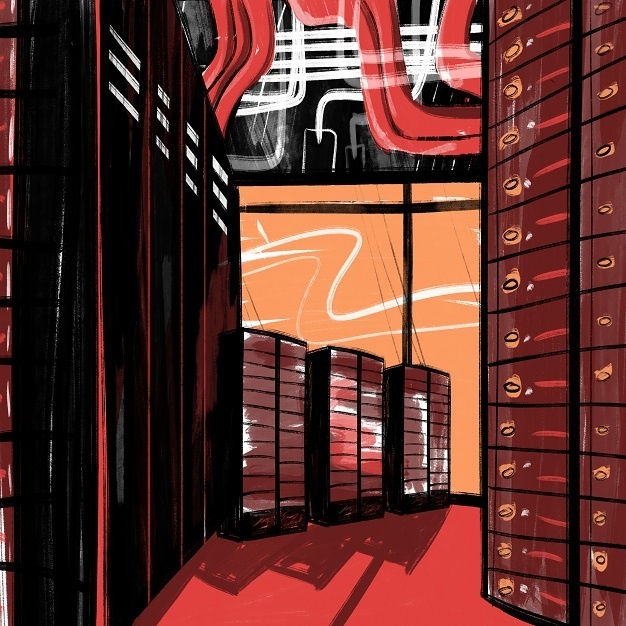
Edge data centers will become increasingly critical to data processing. Our modular cabinets and containment solutions can be configured to fit any environment.

Discover how the Legrand Cabinets and Containment Business offers an unmatched level of customization for your cabinet and containment needs.

Find our how Edge computing enables the ability to perform data computation closer to the device.